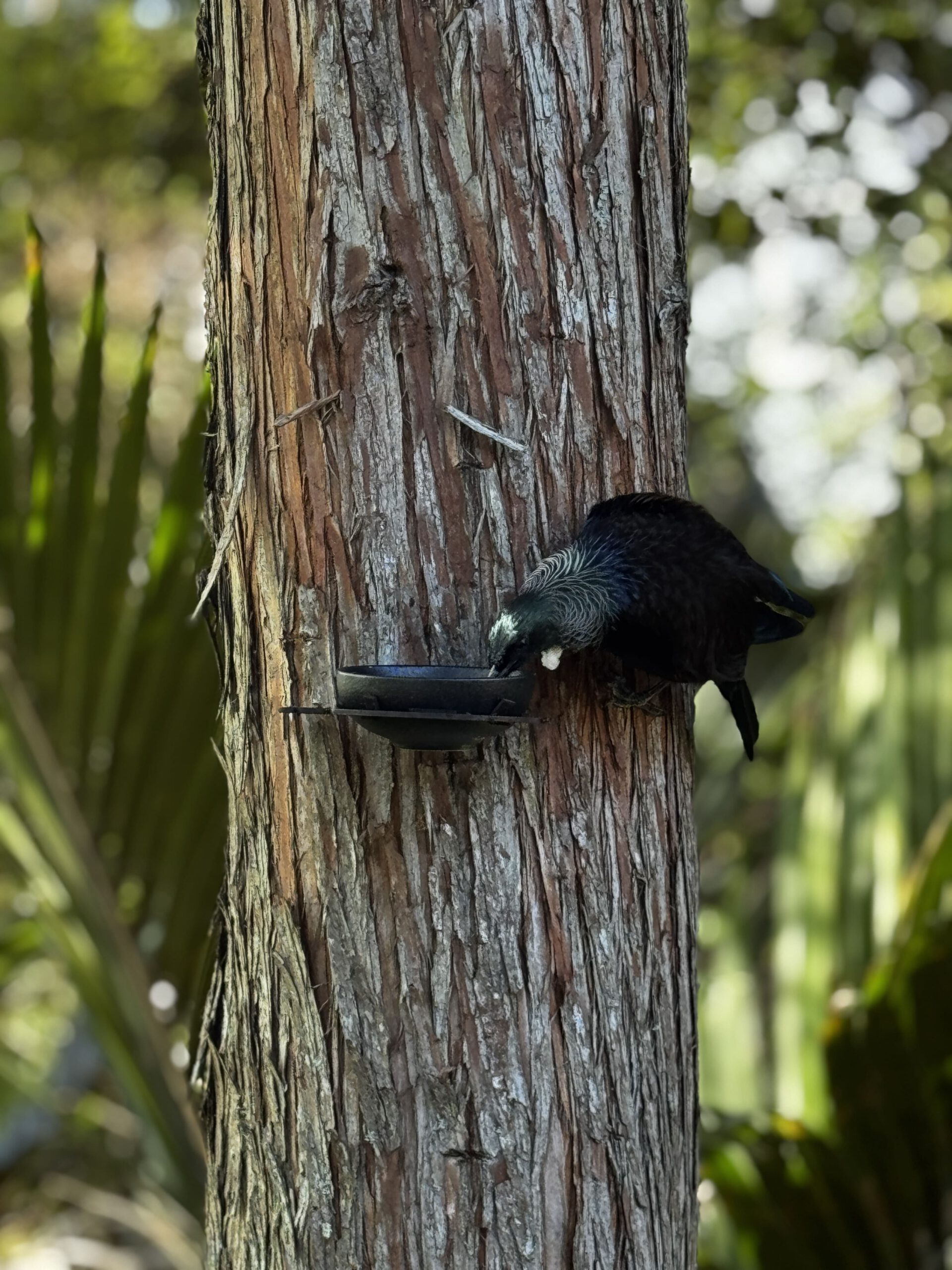
Invite colour, texture and a joyful chorus of native birds into your landscape with nine standout bird-friendly trees – hand-selected for Auckland’s climate.
Why Bird-friendly Trees Matter
Birds bring movement, pollination and natural pest control to a garden, while their songs create an atmosphere no sculpture or water feature can match. By choosing flowering and fruiting trees that offer food and shelter across the seasons, you’ll support local wildlife and enjoy a richer, more dynamic planting palette.
Quick Glance Guide:
| Tree | Peak Flowering Season (Auckland) | Key Birds Attracted | Design Highlights |
| Grevillea | Mainly winter-spring; many cultivars spot-flower year-round | Tūi, pīwakawaka | Spider-like blooms in a spectrum of sunset shades |
| Bottlebrush (Callistemon / Melaleuca | Late spring-summer | Tūi, bellbird, wax-/silvereye | Dramatic ‘bottlebrush’ spikes; thrives in poor soil |
| Kōwhai (Sophora spp.) | July-November | Tūi, bellbird, kererū, kākā | Iconic golden flowers; airy foliage pairs |
| Pūriri (Vitex lucens) | Flowers May-Oct; fruits Jan-Oct | Tūi, bellbird, kererū | Evergreen canopy & pink-red blooms provide year-round interest |
| Plum (Prunus domestica) | Late winter-early spring (Aug-Sept) | Kererū, silvereye, blackbird | Spring blossom + summer fruit for you and the birds |
| Pōhutukawa (Metrosideros excelsa) | Nov-Jan (Christmas highlight) | Tūi, bellbird, silvereye, kākā | Coastal-tough; crimson flowers and sculptural limbs |
| Magnolia (deciduous hybrids) | Late winter – early spring | Pīwakawaka (insect feeding), kererū (buds) | Luxurious goblet blooms before leaves emerge |
| Camellia (Camellia spp.) | Late autumn – spring (Apr – Sept) | Tūi, bellbird | Shade-Tolerant Evergreens with rose-like flowers |
| Irish Strawberry Tree (Arbutus unedo) | Creamy flowers autumn – winter; fruit ripens following year | Tūi, bellbird, wax-/silvereye | Textured cinnamon bark, fruit and flowers together |
Meet The Stars
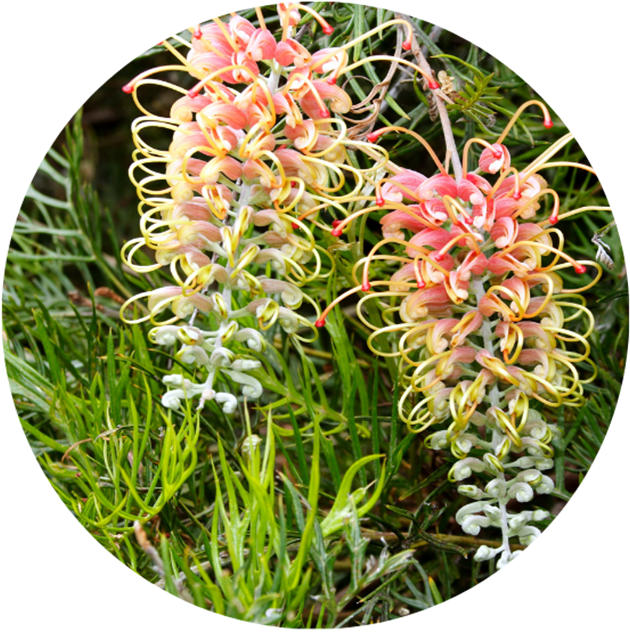
Grevillea
An evergreen stunner with fine, fern-like foliage and extraordinary spider-shaped flowers, Grevillea brings a strong design presence and year-round appeal. Many cultivars bloom for most of the year, offering a consistent nectar supply for tūī and pīwakawaka.
Best for: Dry, sunny gardens; contemporary native-exotic blends.
Flowers: Intermittently throughout the year, strongest late winter – spring.
Design note: Grevilleas come in a broad colour range – from apricot to red to lime green – so you can match or contrast with other flowering accents.
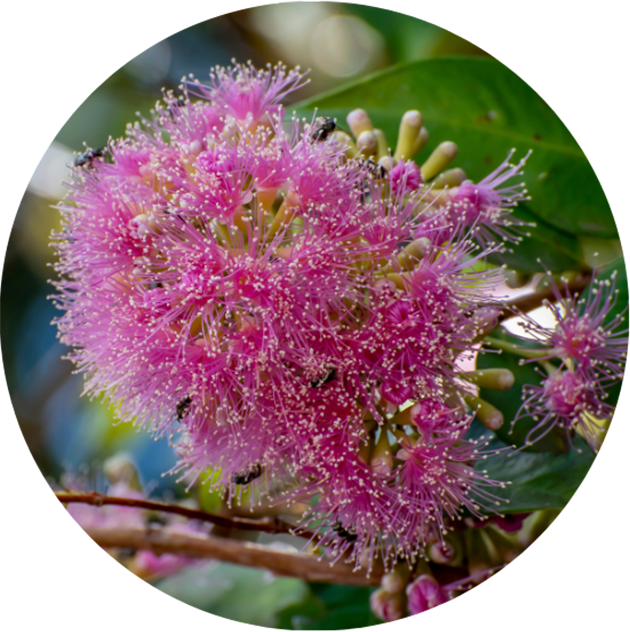
Bottlebrush (Callistemon)
With its bold, bristly flowers, Bottlebrush is a crowd favourite. It thrives in Auckland’s climate, can tolerate clay and sandy soil, and needs little fuss. Varieties have flower colours that range from red, pink, white or yellow.
Best for: Bird-attracting hedges, dry slopes, and low-maintenance beds.
Flowers: Late spring – summer.
Bird draw: Tūī, silvereye, bellbird.
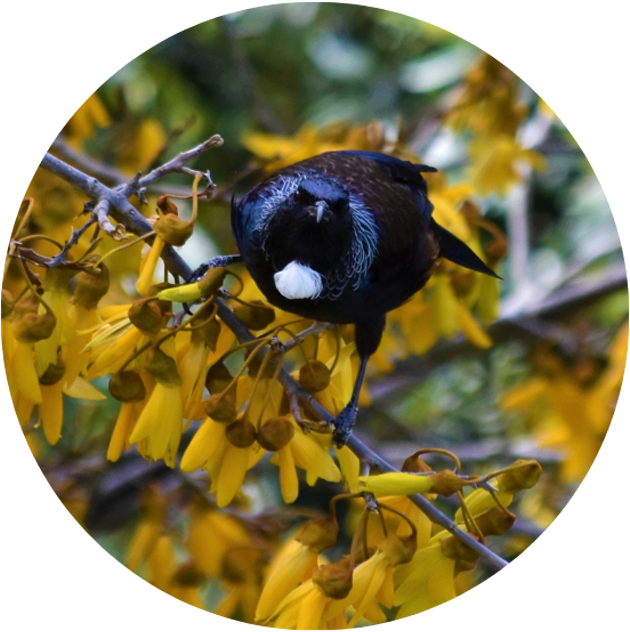
Kōwhai (Sophora spp.)
No New Zealand garden feels quite complete without a Kōwhai. Its golden flowers ring in spring from July through November and are absolutely irresistible to tūī, bellbirds and kererū.
Best for: Feature planting, native-style gardens.
Flowers: July – November.
Placement tip: Young trees prefer shelter from strong wind and benefits from a sunny, free-draining spot.
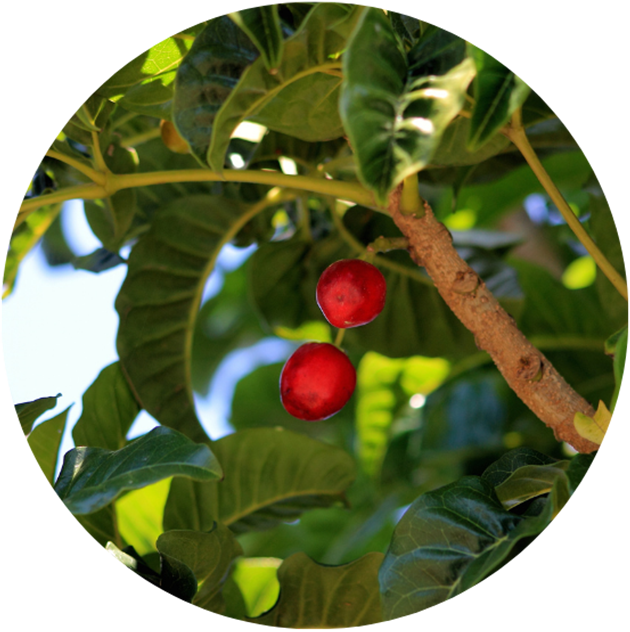
Pūriri (Vitex lucens)
An evergreen native with glossy leaves and dusky pink flowers, Pūriri is one of the most generous bird trees you can plant. It offers food almost all year – particularly vital in the leaner winter months.
Best for: Statement trees in large gardens, shaded native groves.
Flowers: May – October; fruiting January – October.
Birds you’ll meet: Tūī, bellbird, kererū (the latter loves the fruit!).
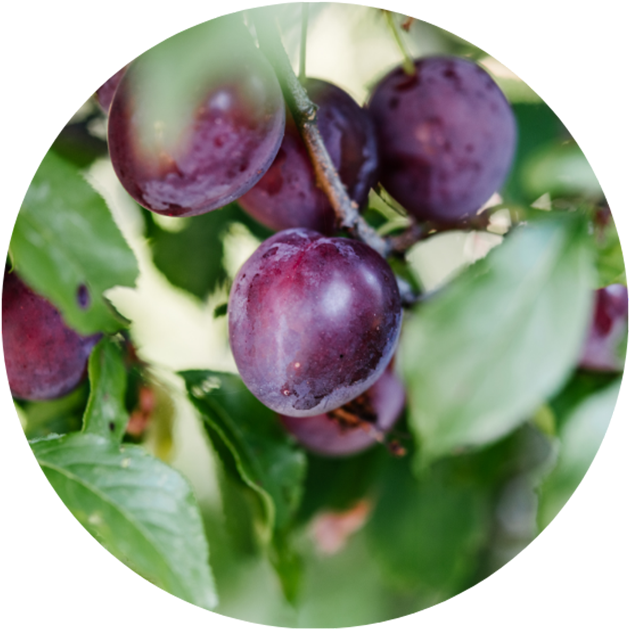
Plum (Prunus domestica)
Beautiful spring blossom, delicious summer fruit, and masses of bird activity make Plum trees a win-win. The flowers feed early-season insects (and the birds that eat them), while the fruit is an absolute favourite of kererū and blackbirds.
Best for: Edible gardens, lifestyle blocks, sunny suburban backyards.
Flowers: Late winter – early spring.
Fruit tip: Consider planting two trees – one for the birds, one for yourself. Or net carefully and share the bounty.
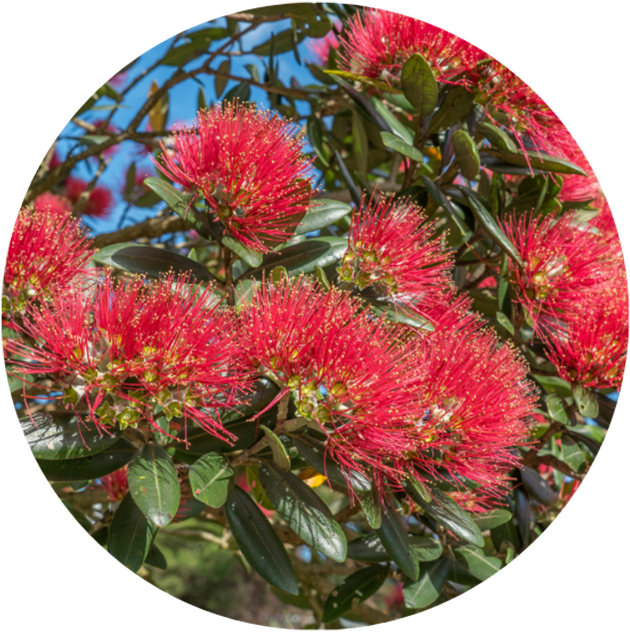
Pōhutukawa (Metrosideros excelsa)
Iconic, sculptural, and a seasonal firework show in red. Pōhutukawa trees are heroes of the coastal garden and provide nesting habitat alongside nectar for tūī, silvereyes, and bellbirds.
Best for: Coastal gardens, sloped sites.
Flowers: November – January.
Note: Choose smaller cultivars (like ‘Maori Princess’) for tight spaces.
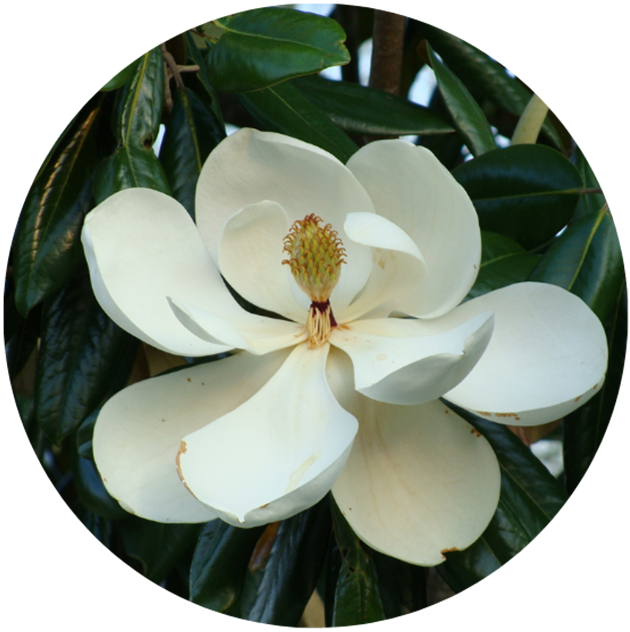
Magnolia
These deciduous feature trees are pure elegance – especially in late winter when their bare branches erupt into oversized blooms of pink, purple, or white. Beneath the beauty lies bird-friendly utility: nectar, pollen, and plenty of bark-dwelling insects.
Best for: Feature planting near entryways or courtyards.
Flowers: Late winter – early spring.
Bird bonus: Kererū love the buds; pīwakawaka chase insects around the bark.
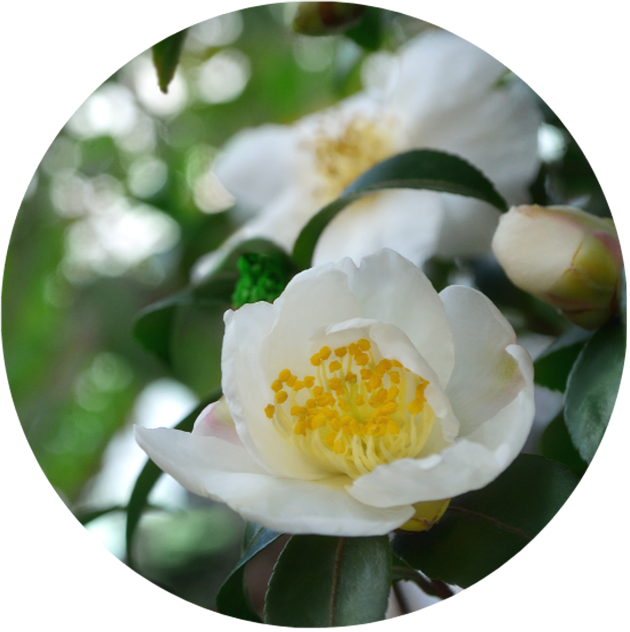
Camellia
Lush, flower-laden and wonderfully long-flowering, Camellias provide critical nectar in the colder months. Their tidy evergreen form suits a variety of styles – from cottage charm to clipped formality.
Best for: Woodland edges, shaded hedges, formal or oriental-style gardens.
Flowers: Mid-autumn through spring.
Bird favourites: Tūī and bellbird.
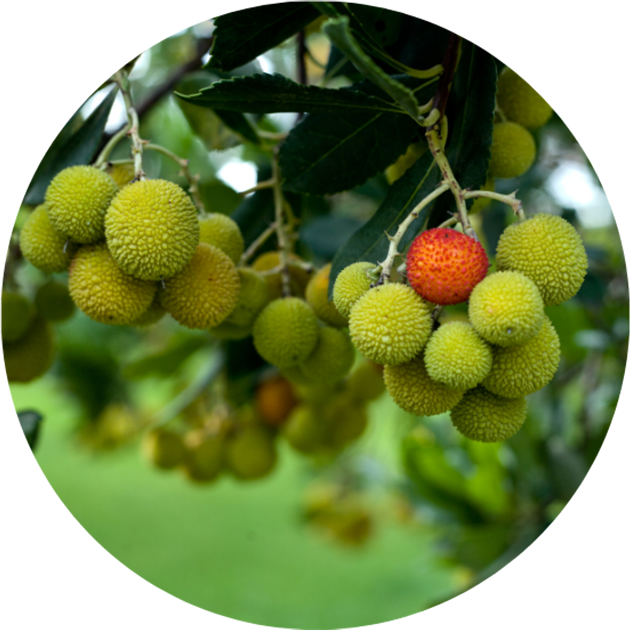
Irish Strawberry Tree (Arbutus unedo)
One of the more unusual offerings, the Irish Strawberry Tree is a striking evergreen that produces clusters of creamy flowers and decorative red fruit – all while flaunting beautiful bark. The fruit takes up to 12 months to ripen, ensuring a long-lasting visual and edible display.
Best for: Smaller spaces needing a sculptural evergreen.
Flowers: Autumn–early winter; fruit appears the following year.
Birds you’ll spot: Waxeyes, tūī, bellbirds – especially when the fruit turns red.
Bringing it All Together
When selecting bird-friendly trees for your garden, it’s not only about food – it’s about creating layers of shelter, colour and life. At Sculpt Gardens, we love pairing bird-attracting trees with grasses, perennials and sculptural foliage to build spaces that feel alive in every season.
Whether you’re imagining a lush, immersive native grove or a refined modern garden with a few well-placed exotics, we can help you bring the birds home in style.
Book a consultation now to start designing your birdsong-filled sanctuary.